
The Importance of Atmosphere in Casino Design
The atmosphere of a casino plays a crucial role in shaping a gambler’s experience. By carefully curating elements such as lighting, decor, and sound, casinos create an environment that is both inviting and exhilarating. For instance, low lighting combined with bright, vibrant colors can induce a sense of warmth and excitement, encouraging players to engage more deeply with their surroundings. Many players enjoy exploring options like 1win for online gaming experiences, as the use of ambient sounds, like the ringing of slot machines and cheerful chatter, creates a lively atmosphere that heightens emotional responses, making time spent in the casino more exhilarating.
Furthermore, the decor is often designed to evoke feelings of luxury and grandeur. Many casinos utilize opulent materials, from polished marble floors to ornate chandeliers, to create an impression of wealth and sophistication. This design approach can lead to a psychological effect where players feel affluent, prompting them to spend more freely. The aesthetic choices made during the design process are intentional, aiming to bolster patrons’ willingness to wager larger amounts, as they associate the luxurious environment with potential rewards.
Additionally, the layout of a casino is strategically crafted to enhance the overall experience and inspire prolonged visits. The flow of traffic is meticulously planned to guide players through a maze of games without clear exits, creating an immersive experience that can lead to extended gambling sessions. This design technique plays on psychological principles that make it difficult for gamblers to leave, as they become enveloped in the enticing atmosphere, often losing track of time and money spent.
Colors and Their Psychological Impact
Colors are a significant aspect of casino design, affecting mood and behavior in nuanced ways. Casinos often use a palette that includes rich reds, vibrant greens, and deep golds to stimulate excitement and feelings of wealth. The psychological impact of these colors can increase players’ heart rates and create a sense of urgency, leading them to engage more actively with the games. For instance, red is known to evoke feelings of passion and energy, making it a popular choice for walls, carpets, and even game machines.
Moreover, the strategic use of colors can influence decision-making and spending habits. Research suggests that certain hues can stimulate appetite, which is why many casinos incorporate colorful buffet designs or vibrant bars. Bright colors can create associations with pleasure and indulgence, further motivating patrons to spend on food and drink while they gamble. This connection between color and behavior highlights a calculated effort to enhance the overall gaming experience by appealing to players’ sensory perceptions.

Casinos also incorporate color changes throughout different sections to create distinct feelings and moods. For instance, the gaming area might employ bold colors to evoke excitement, while lounge areas utilize softer tones to encourage relaxation. This thoughtful color segmentation serves to compartmentalize experiences, allowing players to transition smoothly between heightened excitement and more subdued social interactions without ever feeling fatigued or overwhelmed.
The Role of Sound in Gambling Environments
Sound design in casinos is another critical element that shapes the gambling experience. The use of music, game sounds, and ambient noise creates an auditory landscape that can influence emotional responses and behaviors. Many casinos opt for upbeat music that enhances the excitement of gaming, creating an atmosphere filled with energy. Research indicates that fast-paced music can lead to quick decision-making, which encourages players to bet more frequently and increase their overall gambling activity.
In addition to background music, the unique sounds of the games themselves play a vital role in reinforcing positive experiences. The chimes of winning machines and the enticing sounds of spinning wheels create an auditory reward system that heightens anticipation and pleasure. This sound feedback can trigger dopamine release in the brain, leading players to associate gambling with positive feelings, which reinforces the desire to continue playing.
Interestingly, the soundscape of a casino is carefully calibrated to mask unwanted noise while amplifying engaging sounds. This creates a sense of continuity and immersion. As players become enveloped in this sound-rich environment, they may lose track of other distractions, allowing them to focus solely on their gaming experience. The interplay of these auditory elements can lead to prolonged visits and increased spending, as players feel more engaged and less aware of the passage of time.
Spatial Layout and Behavioral Influence
The spatial layout of a casino is meticulously designed to influence player behavior and encourage spending. The positioning of machines, tables, and amenities is not random; rather, it is methodically planned to create a sense of flow and accessibility. For example, high-stakes tables are often positioned near the entrance to attract attention, while slot machines are arranged in clusters that promote social interaction. This spatial design fosters a community atmosphere, allowing players to feel more engaged and connected to the experience.
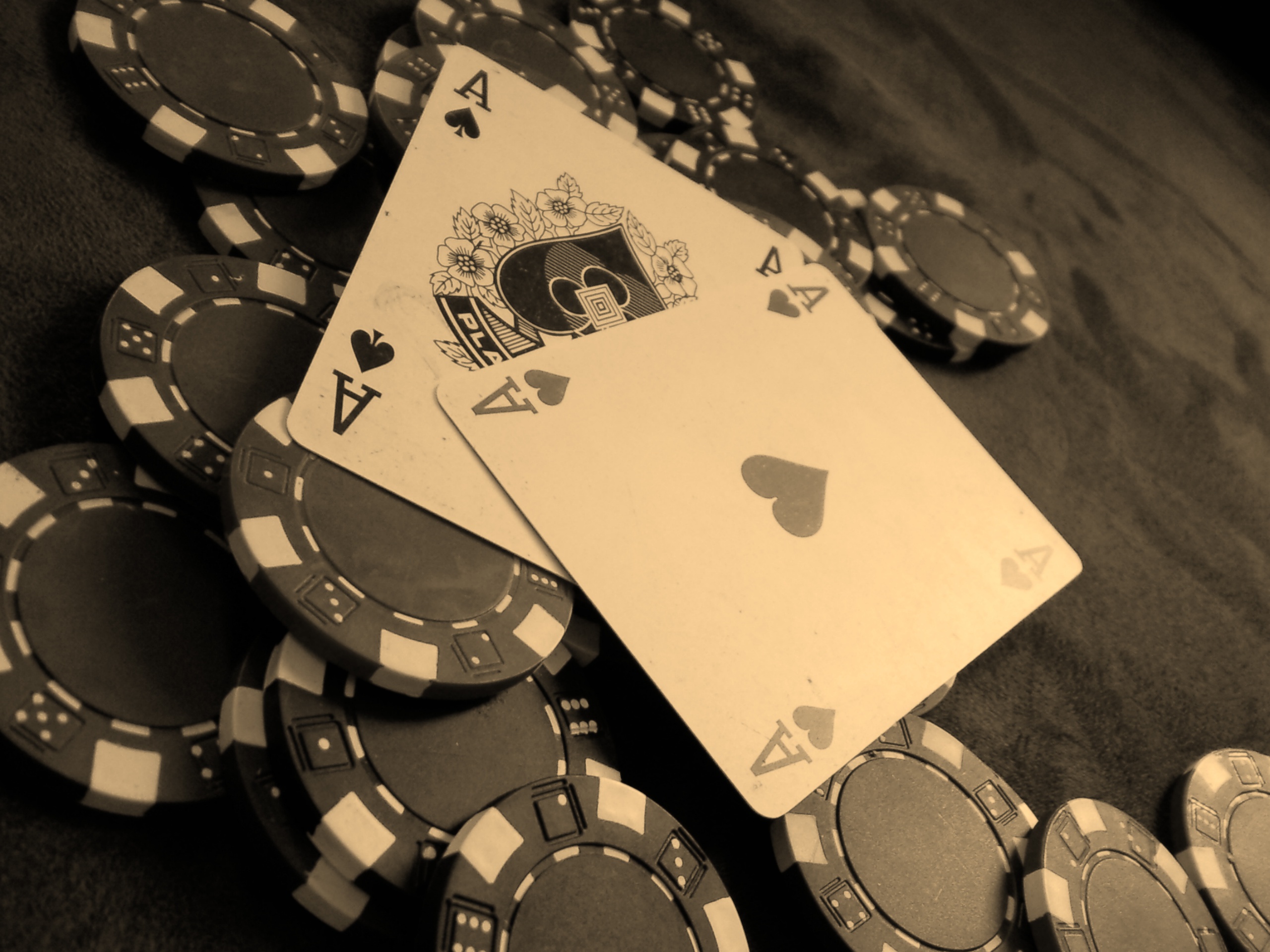
Moreover, the lack of clear exits and the sprawling design of many casinos manipulate the psychological concept of commitment. Once players have invested time and money in a gaming session, they are less likely to leave, even if they are not winning. This is known as the sunk cost fallacy, where individuals continue investing in a situation because of the resources they have already committed, creating a cycle that benefits the casino’s bottom line.
The design of pathways and sightlines also plays a role in behavioral influence. Casinos are often structured to limit visibility of exits, which can create a perception of entrapment and compel players to remain within the gaming area. This psychological tactic leverages the feeling of being lost within the environment, enhancing the immersive experience and increasing the likelihood of extended gambling sessions. By skillfully crafting the casino’s spatial layout, designers can significantly impact players’ decision-making processes and wagering behaviors.
Exploring More on Casino Design
Understanding the complex psychology behind casino design reveals the intricate methods employed to create an engaging and profitable environment. Casino operators invest significant resources into research and design strategies that leverage psychological principles, atmosphere, color theory, sound, and spatial layout to ensure that guests have an unforgettable experience. The interplay of these elements is carefully orchestrated to enhance player engagement while maximizing revenue.
For those interested in delving deeper into the world of casino design, there are numerous resources available that explore these themes more extensively. Online platforms, articles, and even books dedicated to the subject can provide insights into the techniques used by designers and operators. From the basics of layout planning to advanced psychological tactics, an understanding of these strategies can enrich one’s perspective on how casinos attract and retain players.
As you explore this fascinating subject, consider how these design elements not only affect gambling behavior but also shape our perceptions of entertainment and leisure. Whether planning a visit to a casino or simply fascinated by the psychology of design, having this knowledge enhances your appreciation for the intricate details that contribute to a casino’s success.