
The Allure of Risk and Reward
Casino gaming captivates players through the thrill of risk and the potential for reward. The psychological concept of risk-reward dynamics explains how individuals weigh the excitement of gambling against possible losses, especially when they explore the top 10 online casino australia real money options available to them. This balance often leads to a state of exhilaration where the mind perceives the potential benefits as outweighing the downsides. Casinos are designed to amplify this allure, with vibrant colors, flashing lights, and enticing sounds that trigger positive emotions and encourage players to engage more deeply.
Moreover, the psychology of gambling involves a significant degree of optimism bias. Many players convince themselves that they have a higher chance of winning than they actually do, driven by anecdotes of past successes or the phenomenon of near-misses. This cognitive distortion serves to keep players engaged, as they believe that their luck is about to change. Casinos exploit this by creating environments where frequent small wins are common, reinforcing the belief that success is just around the corner, despite statistical realities.
Furthermore, the role of adrenaline cannot be underestimated. For many players, the experience of placing a bet triggers a rush of excitement that can be addictive. This heightened state of arousal can lead to a desire to chase losses or exploit perceived winning streaks. The combination of risk, anticipation, and emotional highs creates a powerful incentive for individuals to continue playing, often leading them to spend more time and money in pursuit of that elusive win.
The Role of Environment in Gaming Behavior
Casinos are meticulously designed to influence player behavior and enhance the gaming experience. From the layout of the gaming floor to the sounds and lighting, every element is intentionally crafted to keep players engaged. For instance, many casinos utilize a lack of clocks and windows to create a timeless atmosphere, thereby encouraging players to lose track of time. This manipulation of the environment can lead individuals to spend longer periods gaming than they originally intended, heightening both engagement and expenditure.
Moreover, the use of sensory stimulation plays a crucial role in the gambling experience. Bright lights, engaging themes, and captivating sounds produce a multisensory environment that enhances emotional experience. This sensory overload can distract players from their losses while simultaneously reinforcing the excitement of potential wins. The prolonged exposure to these stimuli fosters an atmosphere of entertainment, further solidifying players’ desire to return to the gaming floor.

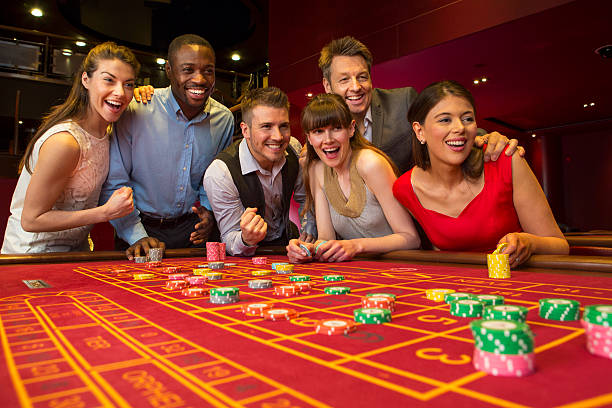
The concept of social facilitation also plays a significant role in the psychology behind casino gaming. Whether played in person or online, the presence of others can encourage individuals to gamble more. Social interaction can enhance the excitement of a game, making it a shared experience that is more enjoyable and rewarding. This communal aspect of gaming can also normalize higher spending and risk-taking behaviors, as individuals feel emboldened by the company of fellow players.
The Influence of Cognitive Biases
Cognitive biases, such as the Gambler’s Fallacy, significantly impact gaming behavior. This psychological phenomenon manifests when players believe that previous outcomes will influence future results. For example, if a player experiences a series of losses, they may falsely conclude that a win is imminent, driving them to gamble more in the hope of reversing their luck. Such biases can lead to irrational decision-making, causing players to chase losses without fully considering the consequences of their actions.
Another relevant cognitive bias is loss aversion, which is the tendency for individuals to prefer avoiding losses over acquiring equivalent gains. In the context of casino gaming, players may take greater risks to avoid the pain of losing money rather than seeking out opportunities to win. This psychological trait can lead players to engage in compulsive gambling behavior, as they become trapped in a cycle of chasing losses, driven by an innate desire to recover what has been lost.
Additionally, the illusion of control is another cognitive bias that often surfaces in gaming scenarios. Many players believe they can influence the outcome of games that are fundamentally based on chance. This belief can stem from skill-based games such as poker, where players may feel their strategies will yield better outcomes. However, this illusion can extend to games of pure luck, leading players to take greater risks in the hope of exerting control over their outcomes, ultimately affecting their gambling decisions.
The Emotional Rollercoaster of Gambling
The emotional landscape of gambling varies widely, influenced by the highs and lows experienced during gameplay. Winning can create feelings of euphoria, reinforcing the desire to continue playing. This emotional response is often amplified by the various rewards offered in casinos, from monetary gains to complimentary services, which treat players as valued guests. This positive reinforcement encourages players to return, eager to relive the thrill of success.
Conversely, losses can evoke a range of negative emotions, including frustration, anger, and disappointment. The rollercoaster of emotions can result in a gambler’s paradox, where players may seek to counteract negative feelings by continuing to gamble. This behavior, often referred to as “chasing losses,” can lead to detrimental financial and personal consequences. The desire to recover losses can cloud judgment, leading to increased spending and a deeper emotional investment in gaming.
Understanding this emotional impact is crucial for both players and those involved in the gaming industry. Responsible gaming practices can be implemented to help individuals recognize and manage their emotional responses. Awareness of these feelings can empower players to make informed decisions, ensuring that gambling remains a form of entertainment rather than a detrimental habit. Promoting a balanced approach to gaming can help mitigate the emotional turmoil associated with gambling.
Exploring Resources and Support for Gamblers
For those seeking guidance and support in understanding the psychological aspects of casino gaming, various resources are available. Many organizations focus on responsible gambling, providing tools and resources designed to help individuals manage their gambling behavior. Education about the psychological implications of gambling can empower players to make informed choices and recognize when their gaming has shifted from entertainment to a potential problem.
Support networks also play a significant role in aiding individuals affected by gambling behavior. Peer support groups and counseling services can offer a safe space for individuals to share experiences and strategies for coping with the emotional challenges of gambling. These resources can foster a sense of community, reminding individuals that they are not alone in their struggles and that recovery is possible.
Ultimately, understanding the intersection of psychology and casino gaming is essential for promoting both enjoyment and responsible behavior. By acknowledging the psychological influences at play, players can approach gaming more mindfully and engage with the activity in a healthy, balanced manner. Awareness of available resources ensures that help is accessible for those who may need it, supporting a healthier gaming environment for everyone involved.