
Your Ultimate Guide to Fun Casino Games and How to Play
Casino games offer a thrilling blend of chance, strategy, and instant rewards that keeps players on the edge of their seats. From the spin of a roulette wheel to the strategic play of blackjack, the potential for big wins fuels an unmatched adrenaline rush. Step into the action and discover why these classic games remain an irresistible draw for thrill-seekers worldwide.
Mastering the Reels and Tables
Dispelling the myth that gambling is merely about luck is the first step toward consistent success. Mastery of the reels requires a deep understanding of volatility and RTP, focusing on games that offer strategic betting options rather than pure chance. On the tables, your goal is to minimize the house edge; for blackjack, this means memorizing basic strategy, while in poker, it involves reading opponents and managing your bankroll with ruthless discipline. True expertise comes from treating every spin and deal as a calculated risk, not an emotional gamble. Mastering the reels and tables is a systematic pursuit of skill, where long-term profitability is achieved through strict bankroll management and knowledge, not superstition.
How Random Number Generators Shape Fair Play

Mastering the reels and tables requires a blend of strategy and discipline, not sheer luck. Bankroll management is the bedrock of sustainable play; always set a loss limit before you sit down. For slots, focus on high RTP games and understand volatility—low volatility pays small wins frequently, while high volatility offers the chance for larger jackpots but requires patience. At the tables, learn basic blackjack strategy to cut the house edge significantly, or stick to even-money bets in roulette like red/black for the best survival odds. Avoid chasing losses and never bet money you cannot afford to lose; treating the session as entertainment cost preserves your edge.
Bankroll Management for High Stakes and Low Limits
Mastering the reels and tables requires a blend of strategic decision-making and disciplined bankroll management. Whether navigating the spinning symbols of slot machines or the calculated odds of blackjack and roulette, success hinges on understanding game-specific rules and payout structures. Effective bankroll management remains the cornerstone of sustainable play.
A player who sets strict loss limits and time boundaries is better equipped to enjoy the experience without financial strain.
Game selection directly impacts long-term outcomes. Consider the following key differences:
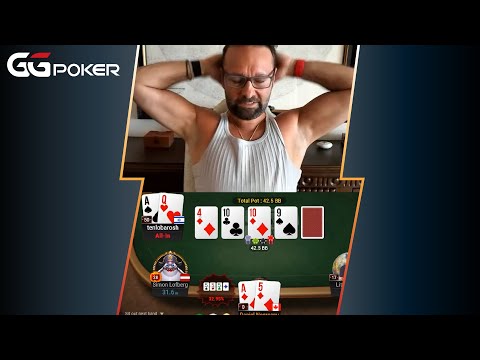
- Slots: Low entry stakes, high volatility, and reliance on RNG (Random Number Generator).
- Table Games: Lower house edge when optimal strategy is applied (e.g., basic blackjack strategy).
- Roulette: Even-money bets offer near 50/50 odds, but the zero pocket favors the house.
Volatility Ratings and Your Playing Style
Mastering the reels and tables is all about blending smart strategy with a cool head. Understanding table etiquette and reel volatility is your first step to playing like a pro. You’ll want to know when to bet big and when to walk away. Keep these basics handy:
- For slots: always check the RTP (Return to Player) percentage.
- For tables: learn basic blackjack strategy or baccarat odds to cut the house edge.
Practice with free modes before you risk real cash, and set a strict budget for each session. Win or lose, the real mastery is in knowing when to spin the reel or lay your chips down with confidence.
Slot Mechanics Beyond the Spin
The moment the reels finally shudder to a halt, the https://jalwaverse.co.in true story begins. Beneath the shimmering surface of cherries and sevens, a hidden engine called the Random Number Generator hums, spitting out thousands of numbers per second, each tethered to a specific symbol on a virtual strip. This is where game volatility reveals its heart: a low-volatility slot whispers small, frequent wins, a gentle rain on a long road, while a high-volatility beast offers sudden, thunderous jackpots amidst stretches of arid drought. The payout table, far from a simple list, is a labyrinth where symbol frequency and line-connection logic dictate the odds. *Understanding these layers can transform a session from blind luck into a calculated expedition.* Even features like cascading reels and wild multipliers are not random fireworks but precise mechanisms, carefully tuned to deliver the player engagement that keeps the narrative spinning.
Progressive Jackpots vs. Fixed Payout Machines
While the spin button initiates play, modern slot mechanics operate on continuous, split-second calculations that far exceed the visual reel movement. A Random Number Generator (RNG) generates thousands of number sequences per second, with the outcome of a spin determined the moment the button is pressed, not when the reels stop. Understanding payline structures and volatility is crucial for strategic slot play. Key mechanics include:
- RTP (Return to Player): The theoretical percentage of total wagered money a slot returns over time.
- Volatility: Determines the frequency and size of payouts, ranging from low (frequent small wins) to high (rare large wins).
- Bonus Features: Free spins, multipliers, and pick-and-click games triggered by specific symbol combinations, adding layers beyond base gameplay.
The spin’s outcome is predetermined, but your bankroll management determines how long you play.
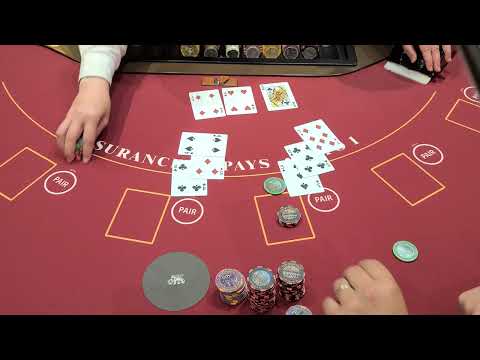
Payline Strategies and Bonus Feature Triggers
The reels stop spinning, but the slot’s true engine hums beneath the surface. A single spin triggers a cascade of unseen logic, where the RNG (Random Number Generator) determines each symbol’s fate in a microsecond. Beyond that visual thrill, modern slots weave in complex math models, like volatility and hit frequency, shaping how often and how much a machine pays out. Consider the layers at play:

- Paylines – fixed or adjustable paths that qualify winning combinations.
- Scatter symbols – triggering bonus rounds or free spins regardless of position.
- Multipliers – amplifying wins during specific features.
Then there’s the return-to-player percentage, a long-term theoretical payout often misunderstood as a per-session guarantee. These mechanics, not the flashy animations, define the slot’s identity—turning every spin into a silent negotiation between chance and design.
The Psychology of Near Misses and Sound Design
Mastering slot mechanics requires looking past the reels to the underlying mathematical and structural elements that truly govern outcomes. Advanced volatility analysis is critical, as it dictates the frequency and size of payouts over extended play. Paylines themselves are just the beginning; modern slots often employ cluster pays, megaways, or win-both-ways systems that dramatically alter hit frequency. Equally vital is understanding the difference between base game triggers and bonus round multipliers, as many high-potential wins are locked behind specific scatter combinations or progressive features like linked jackpots or hold-and-spin mechanics.
- Evaluate the theoretical Return to Player (RTP) alongside the hit frequency rate to gauge long-term value.
- Scrutinize bonus buy features, as they bypass base-game variance but often require higher stakes.
Card-Based Classics and Strategic Depth
Card-Based Classics have this incredible way of blending simple rules with brain-tickling choices. Whether you’re shuffling a vintage deck or diving into a modern release, the strategic depth comes from reading your opponent and adapting on the fly. You don’t need flashy graphics—just a solid hand, a bit of bluffing, and the guts to commit to a plan. That tension between luck and skill makes every round feel fresh, even after hundreds of plays. It’s why these games stick around: they reward thinking ahead without overcomplicating things. So grab a seat, deal the cards, and see where your next move takes you.
Blackjack Basic Strategy for Reducing the House Edge
Card-Based Classics like Magic: The Gathering and Pokémon TCG remain benchmarks for strategic depth in collectible card games. Their enduring appeal lies in layers of decision-making: from deck construction and resource management to reading opponents and sequencing plays. A single misstep can cascade into defeat, while a well-timed combo turns the tide. Mastering these games requires balancing short-term advantage against long-term positioning, making each match a puzzle of probabilities.
- Deck Synergy: Does your strategy rely on creature tokens, direct damage, or control elements?
- Resource Tempo: Are you maximizing mana or energy efficiency each turn?
- Bluffing: When should you hold back a key card to bait a response?
Q: Why do older card games still feel fresh?
A: They introduced core mechanics—like mana curves and instant-speed interactions—that create infinite replayability. Digital adaptations also continuously rotate sets, forcing players to adapt or be left behind.
Baccarat Betting Patterns and Commission Differences
Card-Based Classics like *Magic: The Gathering* and *Pokémon TCG* prove that a simple deck can offer immense strategic depth. Every draw demands a tactical pivot, as players balance resource management, creature placement, and long-term combos to outmaneuver opponents. The thrill lies in adapting to each hand’s chaos: bluff when low on mana, sacrifice a key card to bait a trap, or chain instant-speed effects for a game-winning counter. These games reward foresight and adaptability, turning each match into a high-stakes mental battle where one misplay can unravel a perfect plan.
Poker Room Variations: Texas Hold’em vs. Caribbean Stud
In a dimly lit corner of a game shop, a player shuffled a worn deck, the scent of cardboard and possibility hanging in the air. These card-based classics like *Magic: The Gathering* and *Yu-Gi-Oh!* are more than nostalgia; they are engines of strategic depth. Each duel unfolds like a chess match with a thousand variables, where a single misstep can cost victory. The thrill lies in parsing your hand, guessing your opponent’s moves, and weaving synergies from a seemingly random draw.
This depth is built on layered mechanics. Consider the core pillars:
- Resource Management: Balancing mana, life points, or hand size forces tough calls.
- Risk vs. Reward: A high-cost card can swing the game—or leave you defenseless.
- Adaptability: Your perfect combo can be shattered by an unexpected counter, demanding instant pivots.
These games reward not just luck, but foresight and cunning. Whether it’s a bluff to bait a trap or a calculated sacrifice to set up a late-game bomb, every choice echoes. That’s the timeless pull: a deck is a battle plan, and every shuffle writes a new story of triumph or defeat.
Wheel Games and Dice Dynamics
Wheel games and dice dynamics form foundational pillars of probability-based entertainment. A wheel game typically relies on a spinning disc divided into numbered or colored segments, where the outcome is determined solely by where the pointer stops. This mechanism offers a clear visual representation of chance, with each spin being an independent event. In contrast, dice dynamics involve the roll of physical cubes, with standard six-sided dice being most common. The interaction between dice, their number of faces, and the resulting sums create complex probability distributions. Both systems are central to casual gaming and gambling, where understanding the odds is crucial. Probability theory governs these activities, making house edge a key concept in commercial settings. While wheel games offer binary or multi-outcome simplicity, dice dynamics introduce multiple simultaneous variables.
Roulette Inside Bets vs. Outside Bets
Wheel games and dice dynamics form foundational elements in both casual and competitive gaming. In wheel games, outcomes are determined by a spinning device divided into numbered or colored segments, creating clear probabilities based on section size. Dice dynamics rely on polyhedral objects, typically six-sided, where each face has an equal chance of landing face-up, though weighted or modified dice can alter these odds. Understanding probability in wheel games and dice rolls helps players predict possible results. Both systems rely on physical randomness, though environmental factors like surface friction can influence outcomes.
Craps Pass Line and Odds Betting Explained
Wheel Games and Dice Dynamics form the electrifying core of casino excitement, each offering unique odds that savvy players exploit. The spinning wheel, whether in Roulette or Wheel of Fortune, hinges on physics and probability, where precise ball drop and segment division determine outcomes. Meanwhile, dice dynamics rely on random number generation and controlled throws, dominating games like Craps and Sic Bo. Mastering wheel and dice probability significantly boosts your strategic edge by identifying high-value bets and minimizing house advantage. For instance, in Craps, the Pass Line bet offers a low 1.41% house edge, while single-zero Roulette wheels reduce risk compared to double-zero variants. Key dynamics include:
- Wheel balance – In physical wheels, slight imperfections can favor specific numbers; electronic wheels use RNG for true randomness.
- Dice control – Skilled shooters in Craps aim to reduce randomness through consistent grip and tossing techniques.
- Payout calibration – Tables and wheels are calibrated to ensure the casino maintains a long-term statistical advantage.
Exploiting these elements transforms luck into a calculated pursuit, rewarding players who study spin angles and dice trajectories.
Live Dealer Formats and Real-Time Interaction
Wheel games and dice dynamics are the heartbeat of many casino floors, spinning excitement and chance into every round. Understanding the odds in wheel games is crucial because the physical design—like the number of slots on a roulette wheel or the sections on a “Big Six” wheel—directly dictates your payout probability. Dice dynamics, meanwhile, rely on pure probability. In craps, every roll of two six-sided dice creates 36 possible outcomes, with the number 7 being the most common (six ways to make it). This makes the “pass line” bet a gambler’s go-to strategy. To keep things simple:
- Wheel games reward patience; a 38-slot wheel gives a 1-in-38 shot per number.
- Dice dynamics reward observation; tracking “hot” and “cold” tables can feel strategic, though luck still rules.
Video Poker and Digital Alternatives
The clatter of chips and whir of a mechanical wheel faded into the quiet hum of a server room as video poker emerged, a digital ghost in the casino’s machine. This game, a solo duel against a cold screen, demanded a sharp eye for optimal video poker strategy, transforming a player’s fate from luck to calculated choice. Unlike table games, digital alternatives like multi-hand variations or themed slots offered instant replay and private concentration. A royal flush’s glow on the LCD felt less like a celebration and more like a silent, sanctioned payout. Today, these virtual tables dominate, luring players with faster hands and seductive progressives, a lone figure in a quiet corner chasing patterns in the static.
Jacks or Better Optimal Play Decisions
Under the glow of a casino’s neon, the clatter of a slot machine once ruled, but then came Video Poker—a quiet revolution. It merged the solitary focus of draw poker with the instant thrill of a digital screen, giving players a semblance of control. Unlike slots, video poker strategy relies on holding the right cards, turning luck into a calculated dance. Today, digital alternatives like multi-hand games and video baccarat have evolved this experience, offering faster rounds and deeper analytics. The hum of an original machine, where a single Royal Flush could light up the room, now echoes in every tap of a browser’s interface, bridging the gap between a smoky card table and a silent smartphone screen.
Deuces Wild and Multi-Hand Adjustments
Video Poker merges classic five-card draw poker with electronic slot machine mechanics, offering a solitary gaming experience where strategy influences outcomes. Players aim to form a qualifying poker hand, with payouts determined by the game’s paytable and the player’s skill in holding or discarding cards. Digital alternatives to traditional casino table games have expanded this concept, including video blackjack, electronic roulette, and multi-game terminals. These platforms often provide lower minimum bets and automated shuffling, appealing to players seeking convenience and rapid play. Unlike physical tables, digital versions rely on random number generators (RNGs) to ensure fairness and typically offer higher theoretical return-to-player (RTP) percentages, especially for optimal strategy play in Video Poker.
Comparing RTP Percentages Across Variants
Video poker merges traditional five-card draw poker with electronic gaming, offering players a solitary, strategy-based experience where skill influences outcomes through optimal card-holding decisions. Digital alternatives extend this concept into online platforms and modern video slots, which incorporate poker-like mechanics such as hand rankings and bonus rounds. These variants often include multi-hand play, progressive jackpots, and animated gameplay, appealing to players seeking faster, more varied action.
Modern video poker machines commonly feature a screen interface with buttons to hold or discard cards, rewarding payouts based on standard poker hands. Digital alternatives include “video poker slots” that blend slot reels with poker symbols, as well as live dealer games where a real card deck is streamed remotely. Unlike traditional slots, these games rely on a random number generator (RNG) to simulate card draws, ensuring fairness. Many platforms also offer “Jacks or Better” as a baseline variant, while others experiment with wild cards or multiplier features.
Emerging Trends in Virtual Settings
Virtual environments are rapidly evolving, and leaders must prioritize immersive hybrid experiences to remain competitive. The convergence of spatial computing and AI-driven avatars is redefining remote collaboration, making interactions feel as tangible as in-person meetings. Simultaneously, the rise of persistent digital twins allows organizations to simulate workflows and train teams in risk-free settings. However, success hinges on designing these spaces for inclusivity and ergonomic safety. To leverage these shifts, executives should invest in interoperable platforms that integrate seamlessly with existing tools, and establish clear protocols for data privacy within virtual realms. By focusing on these technological and human-centric factors, you can build a resilient virtual culture that drives innovation and engagement.
Mobile-Optimized Interfaces for On-the-Go Wagers
Virtual settings are rapidly evolving beyond simple video calls into fully immersive, data-rich ecosystems. The most transformative trend is the rise of the spatial web and digital twins, where real-time 3D environments simulate physical spaces for training, design, and collaboration. Key developments driving this shift include:
- AI-driven avatars that handle customer service and meeting facilitation.
- Haptic feedback technologies allowing users to “feel” virtual objects.
- Decentralized economies using blockchain for secure virtual asset ownership.
These innovations make virtual settings more productive, not just present. The future is a seamless blend of physical and digital work, demanding that businesses adopt these tools to stay competitive. Ignoring these trends means being left behind in a world where virtual presence becomes as impactful as physical reality.
Skill-Based Elements in Modern Releases
Virtual environments are increasingly blending physical and digital realities through immersive shared experiences. Key developments include spatial computing for realistic 3D collaboration, AI-driven avatars that translate gestures, and persistent “phygital” workspaces where digital assets mirror real-world status. These shifts demand intentional design: prioritize asynchronous communication loops to reduce fatigue, and invest in interoperability standards to avoid fragmented tool stacks. For leaders, the priority isn’t just adopting technology but fostering digital trust—ensuring security and psychological safety in decentralized teams.
- Rise of Spatial Web: Companies like Meta and Apple push mixed-reality headsets for remote co-presence.
- AI Co-pilots: Generative AI automates note-taking, meeting summaries, and real-time language translation.
- Data Sovereignty: Virtual events now require compliance with GDPR/CCPA, especially for recording and biometric data.
Q&A
Q:
A:
Cryptocurrency Transactions and Anonymity Options
Virtual settings are rapidly evolving beyond basic video calls, moving toward more immersive and integrated experiences. Hybrid event platforms now blend physical and digital attendees seamlessly, using AI-driven networking tools to boost engagement. Key trends include the rise of virtual reality (VR) workspaces for team collaboration and advanced avatars that mimic real-time expressions. Many platforms also feature game-like elements, such as earning points for participation, to keep users invested. As a result, professionals are finding these spaces more intuitive for everything from client meetings to cross-departmental workshops.